Global Vehicle Engineering

Automotive documentation begins long before the writing stage
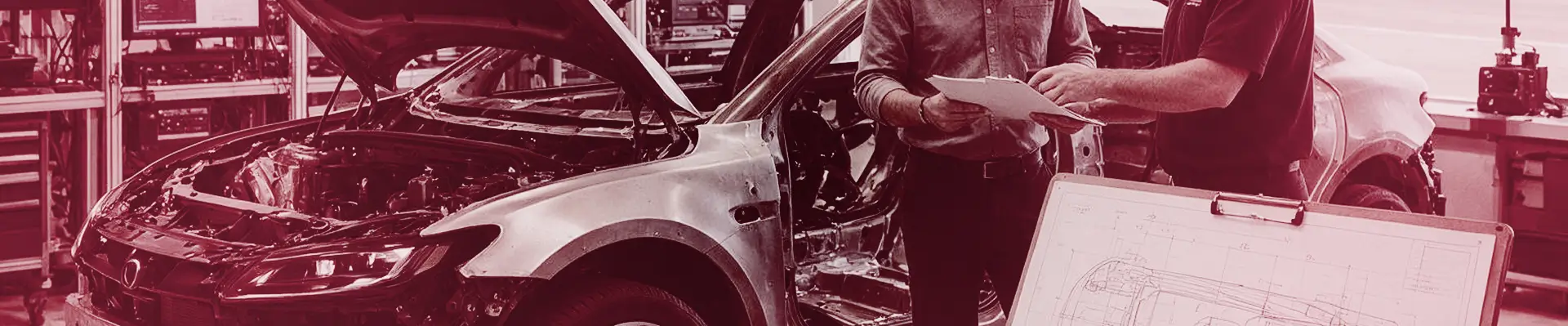
Service manuals, owner’s manuals, wiring diagrams, and technical catalogs are only reliable when their content is validated on the physical vehicle, rather than solely on paper. This is precisely where many automotive technical literature providers reach their limit: they know how to write and translate, but they lack the facilities and capabilities required to technically validate a prototype.
To bridge this gap, Global Languages established Global Vehicle Engineering: an automotive engineering division with a fully equipped technical workshop and its own test track, both integrated into the same workflow that produces the final documentation delivered to the automaker.
Technical workshop prepared to receive prototypes
The technical workshop is located in São Paulo and was specifically designed to receive prototype vehicles. Technical validation activities are carried out in a controlled, private, and access-restricted environment, an essential requirement when working under confidentiality agreements. The facility is equipped with a vehicle lift and tools for component inspection, assembly, and disassembly, as well as workbenches for checking mechanical, electrical, and electronic systems.
This stage makes it possible to verify directly on the vehicle, rather than relying solely on engineering drawings provided by the automaker, items such as wiring harness routing, wire colors, specified torques, connector tables, and diagnostic trouble codes (DTCs).
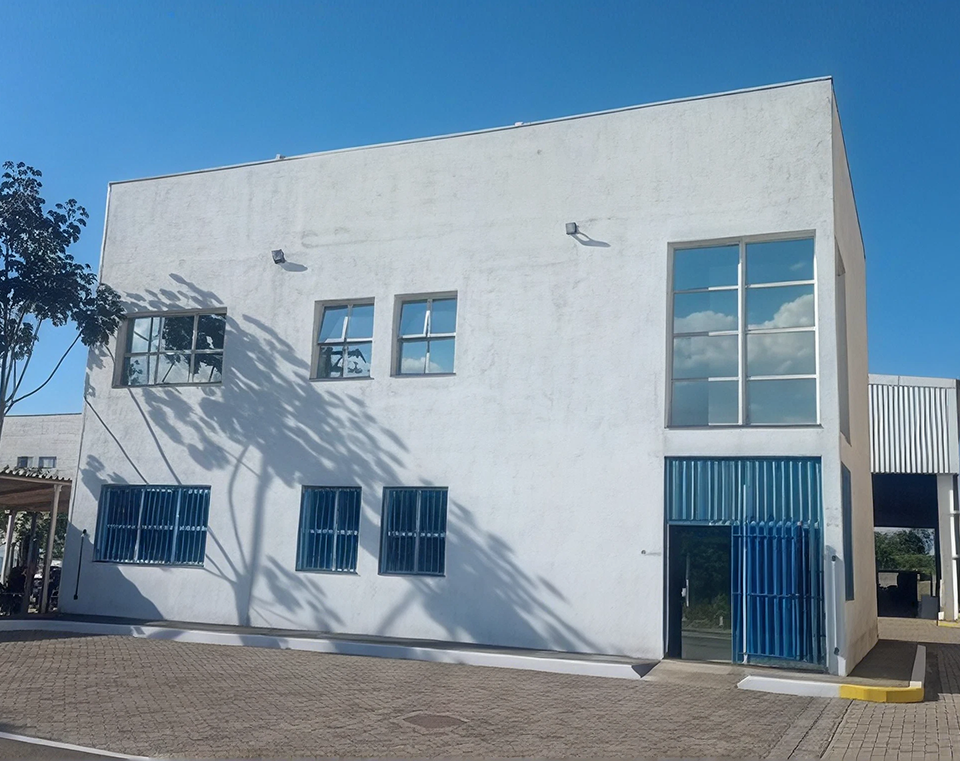

Technical workshop used for automotive engineering and validation activities.
Dedicated test track for real-world testing
In addition to the workshop, Global Vehicle Engineering has its own test track, also located in São Paulo, which is used for practical prototype testing under real driving conditions. This type of infrastructure is uncommon among editorial and technical translation service providers, and it is precisely what distinguishes an automotive documentation supplier from a complete technical content engineering partner.
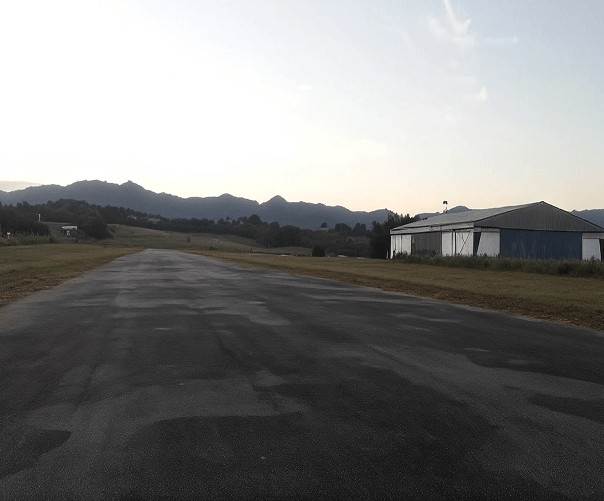

Test track used for practical prototype testing, with a support hangar in the background.
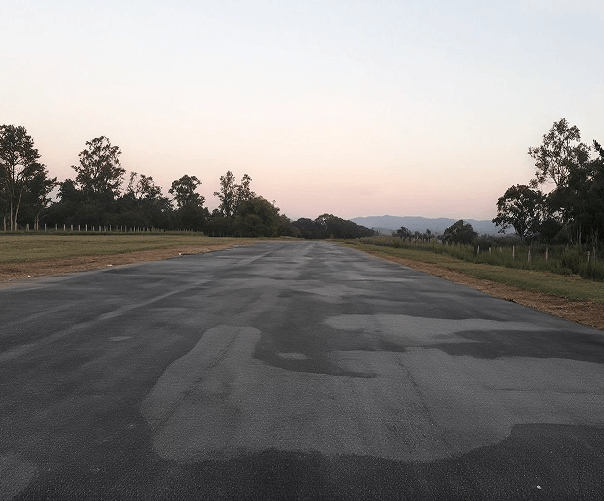
Extension of the test track used for vehicle validation under real driving conditions.
Automotive engineering expertise that speaks the automaker’s language
Global Vehicle Engineering’s vehicle testing, homologation, and technical inspection activities are led by engineering professionals with extensive experience within the automotive industry itself:
Technical manager for vehicle testing, homologation, and inspection:
Degree in Mechatronics Engineering and MBA in Business Management. More than 25 years of technical experience, including work with an automaker, an auto parts supplier, and INMETRO. An INMETRO-accredited auditor (OIV), with experience in Conformity Assessment processes, vehicle homologation and inspection, as well as the interpretation and application of Technical Quality Regulations (RTQ), INMETRO ordinances, and ABNT, ISO, and international standards applicable to the automotive sector, including NBR ISO/IEC 17025, ISO 9001, and APQP.
Technical consultant for vehicle development and validation:
Extensive experience in vehicle development, validation, and homologation, with projects carried out alongside manufacturers, system suppliers, and companies throughout the automotive supply chain. Works in the coordination and execution of tests, technical planning, analysis of regulatory requirements, and compliance with national and international legislation.
This combination — technical leadership with experience at automakers and certification bodies, a fully equipped workshop, and a dedicated test track — enables Global Vehicle Engineering to act as the technical authority in homologation processes, rather than merely as a translation provider.
Global Vehicle Engineering: backed by more than 30 years of Global Languages know-how
Global Vehicle Engineering is Global Languages’ automotive engineering division, created to bring technical validation, vehicle homologation, and automotive technical literature development together within a single workflow.
It is built upon more than three decades of the group’s know-how. Operating in the translation market since 1992, Global Languages has developed extensive expertise in complete automotive technical literature development — including owner’s manuals (full versions, abbreviated versions, supplements, and multimedia), service manuals covering mechanical, electrical, electronic, powertrain, and diagnostic sections, wiring diagrams, technical catalogs, and multilingual technical translation.
ISO 17100, ISO 18587, ISO 9001, and ISO 27001 certifications support this process with traceability and information security, requirements that are increasingly demanded by automakers as part of their supplier qualification processes.
A qualified supplier for automakers looking for more than translation
Automakers evaluating automotive technical literature suppliers in Brazil typically look for three capabilities at the same time: engineering expertise that understands the product, physical infrastructure to validate prototypes confidentially, and a consistent editorial and translation process across languages and markets.
Global Vehicle Engineering, a division of Global Languages, brings all three together in a single workflow, from technical validation in the workshop and on the test track through to the final delivery of the reviewed and translated manual.
If your automaker is evaluating a technical partner for automotive technical literature development, validation engineering, or prototype homologation in Brazil, contact the Global Vehicle Engineering team and learn more about our technical workshop and test track in São Paulo.