Error Reduction, Operational Safety, and Technical Compliance
The development of technical manuals for industrial machinery is one of the most overlooked factors in industry, yet one that has the most direct impact on safety, productivity, and operational costs.
When a manual is confusing, incomplete, or outdated, the problem doesn’t show up on paper. It shows up in operations, in rework, in accidents, in machine downtime, and in legal risks.
Technical Manuals Are Not Bureaucratic Obligations, They Are Operational Tools
Many companies still treat operation and assembly manuals as a formal requirement, something that needs to exist to comply with standards or accompany equipment. This mindset comes at a cost.
A well-developed technical manual enables machinery to be assembled, operated, and adjusted correctly by professionals who didn’t participate in the equipment’s development. This reduces dependence on in-person training, decreases human error, and standardizes processes.
What Characterizes an Efficient Technical Manual for Industrial Machinery
An efficient industrial technical manual doesn’t merely describe components. It guides real actions, step by step, considering the factory routine and the operator’s technical level.
The main elements are:
- Clear assembly procedures
- Objective operating instructions
- Technically sound safety warnings
- Standardization of technical terms
- Images and diagrams consistent with the text
- Logical structure enabling quick reference
Without these, the manual fails in its primary function of preventing errors.
Technical Manual Development Aligned with Industrial Reality
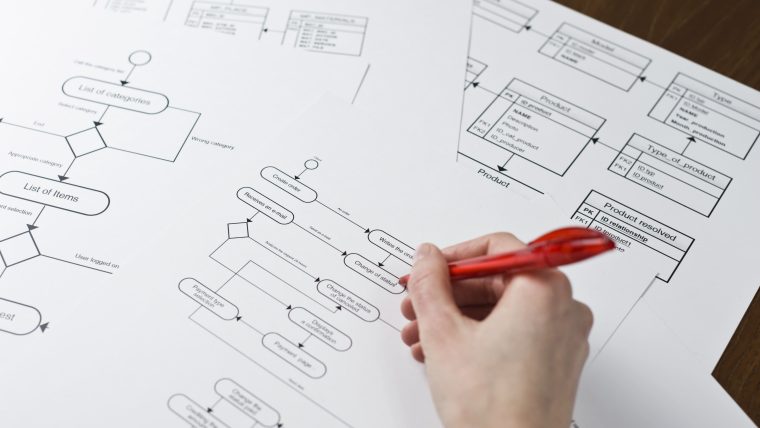
The development of technical manuals for industrial machinery requires understanding both the equipment’s operation and the environment where it will be used. The process involves technical assessment, analysis of drawings and diagrams, information organization, precise technical writing, and validation with technical teams.
It’s not just about good writing. It’s about transforming scattered technical knowledge into executable instructions.
Technical Compliance and Legal Risk Reduction
Operation and assembly manuals are part of risk mitigation strategy. They are documents used in audits, certifications, and civil liability proceedings.
Well-structured industrial manuals contribute to compliance with applicable technical standards, such as OSHA regulations and international standards, protecting both the operator and the machinery manufacturer.
Manuals Prepared for Updates and Internationalization
Industrial machinery manufacturers need scalable documentation. Equipment evolves, standards change, and international markets require technical versions in other languages.
When a manual is properly developed from the foundation, it is already prepared for updates and specialized technical translation, reducing cost, time, and risk of inconsistency.
When to Review or Restructure Your Industrial Manuals
Several clear signs show when a technical manual is hurting operations:
- Recurring assembly or usage errors
- Frequent questions from the operations team
- Excessive dependence on technical support
- Documentation that doesn’t reflect current equipment
- Regulatory or export requirements
When this happens, updating the manual becomes an operational imperative, not a choice.
Technical Manual Development as a Strategic Asset
Technical manuals for industrial machinery aren’t just administrative expenses. They are assets that reduce failures, increase safety, facilitate training, support audits, and enable international expansion.
With over three decades of experience in the technical translation sector and in the development and structuring of technical manuals, Global Languages works on developing operation and assembly manuals for industrial machinery, integrating technical documentation, language standardization, and preparation for specialized translation. The focus is ensuring operational clarity, safety, technical compliance, and scalability for demanding industrial environments.
Contact Us: https://globallanguagesus.com/contact-us/